The Presale That Broke the Monopoly: Taylor Swift × Ticketmaster
3. The Presale That Broke the Monopoly: Taylor Swift × Ticketmaster
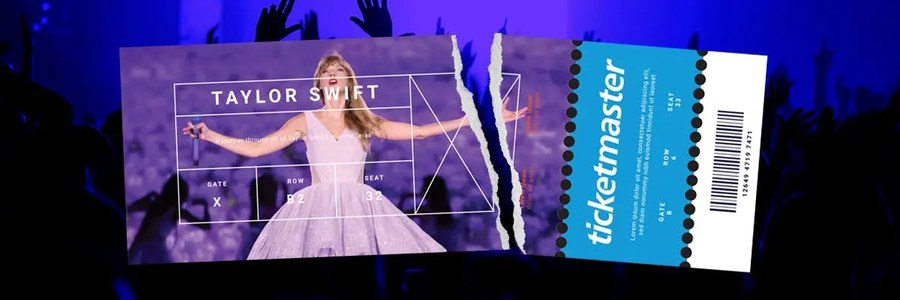
Image: assets/swift_ticketmaster_2022.jpg (alt: "Taylor Swift's Eras Tour — the Ticketmaster presale meltdown, 2022") Additional images: swift_ticketmaster_2022_2.jpg, swift_ticketmaster_2022_3.jpg, swift_ticketmaster_2022_4.jpg, swift_ticketmaster_2022_5.jpg Date line: Tuesday, November 15 – Friday, November 18, 2022 · Ticketmaster Verified Fan presale
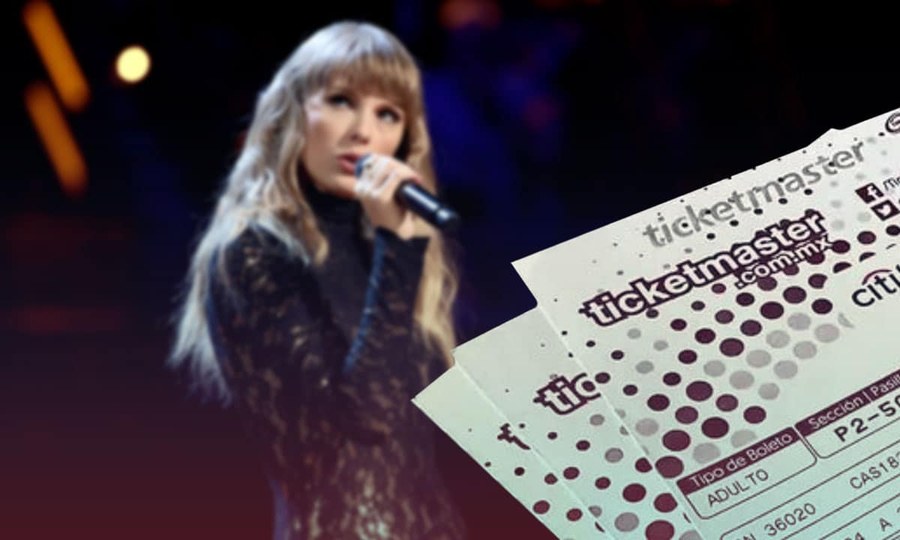
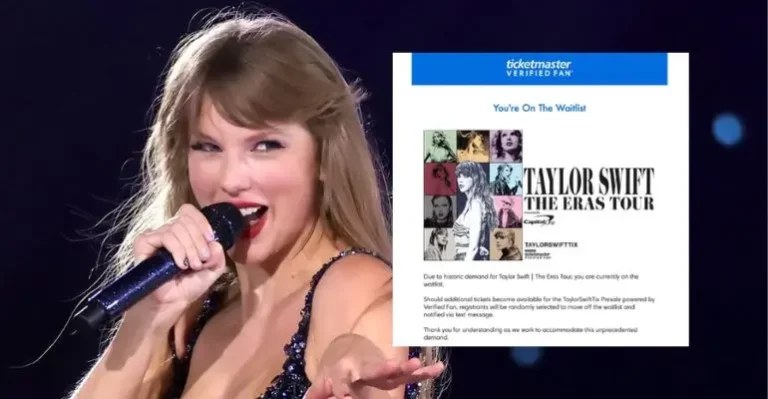
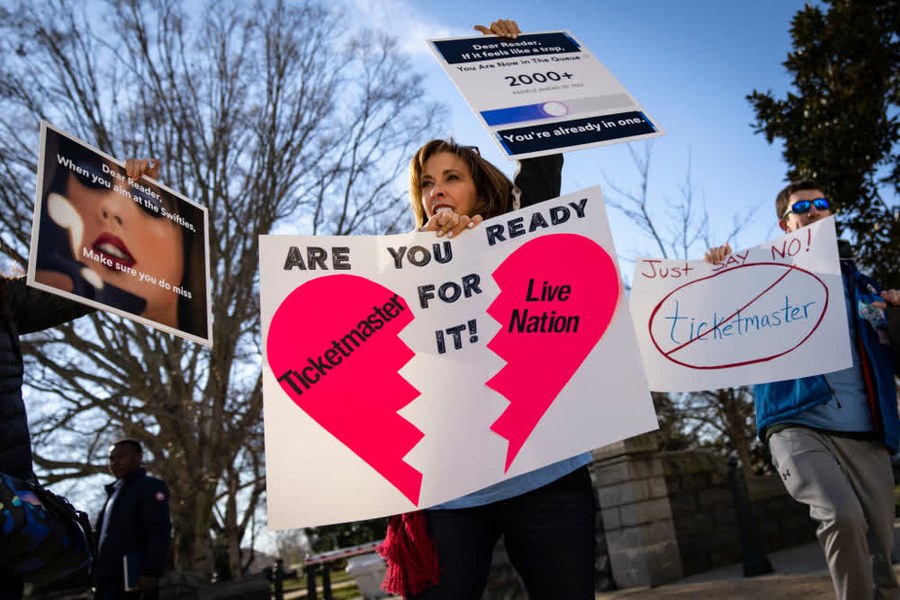
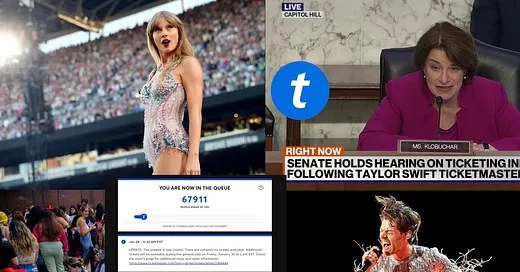
3.5 million people registered for Ticketmaster's Verified Fan presale — the largest registration in the platform's history. When the sale went live on November 15, the site buckled: frozen queues, logouts, invalid codes. Still, ~2.4 million tickets were sold that day, a record for the highest single-day artist sales. On November 17, Ticketmaster canceled the November 18 public on-sale, citing "extraordinarily high demands on ticketing systems and insufficient remaining ticket inventory." On November 18, Swift posted to Instagram Stories: it was "excruciating," and "it really pisses me off that a lot of them feel like they went through several bear attacks to get them." Fans had documented the failure live on TikTok — NPR reported fans "flood[ing] TikTok with complaints" — and the grievance crossed into politics: CNN reported a DOJ investigation into Ticketmaster/Live Nation on November 18, and the Senate Judiciary Committee held a hearing on Live Nation's market dominance in January 2023. Note the Eras Tour announcement itself was November 1, 2022 — the announcement post and the November 15 presale are separate engagement beats. Ticketmaster later disclosed the scale of the failure: 3.5 billion total system requests during the presale — four times its previous peak — and ~2.4 million tickets sold on November 15 alone. The political aftershock kept the story alive into 2023: the DOJ antitrust investigation (first reported by CNN on November 18) and the January 2023 Senate Judiciary hearing, where Live Nation's CFO Joe Berchtold testified about the industry's structure. Social pulse: the story lived on TikTok in real time — fans documented frozen queues and error screens as they happened — and migrated to political Twitter when the DOJ news broke, turning fandom grievance into bipartisan antitrust talking points.
- Why it went viral: Fan grievance at scale — 3.5 million people with the same trauma at the same time. The fandom's collective wound collided with a shared villain (a merger-era monopoly) and produced a bipartisan political moment; Swift's "bear attacks" line gave the anger a quotable anchor. The rare gossip story that changed policy.
- Engagement signals: 3.5M Verified Fan registrants (Ticketmaster); 3.5B system requests on Nov 15 — 4× the previous peak (Ticketmaster); ~2.4M tickets sold Nov 15 (Ticketmaster/ET); Swift's Eras Tour announcement IG post: 5.6M+ likes as of Nov 26, 2022 (Scot Scoop News) — all reliably reported. Swift's Nov 18 Story views: not publicly reported. Individual TikTok complaint view counts: not publicly reported.
- Sources: AP wire — Swift angry for fans · ET — general sale canceled · Reuters — Live Nation CFO to testify · CIO Dive — Senate hearing on the meltdown · Engadget — antitrust hearing recap
- Confidence: confirmed (registration/sales figures per Ticketmaster; Swift's quotes; public on-sale cancellation); DOJ investigation reliably reported (CNN via music press)