The Playboy Problem: Hugh Hefner's Death and Contested Legacy
23. The Playboy Problem: Hugh Hefner's Death and Contested Legacy
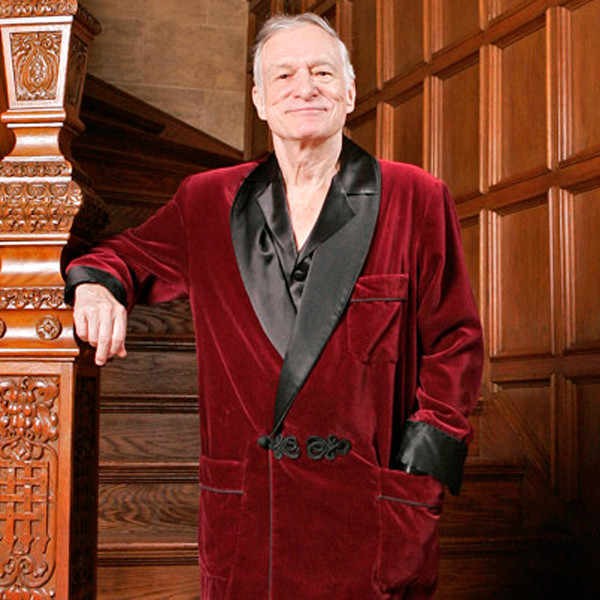
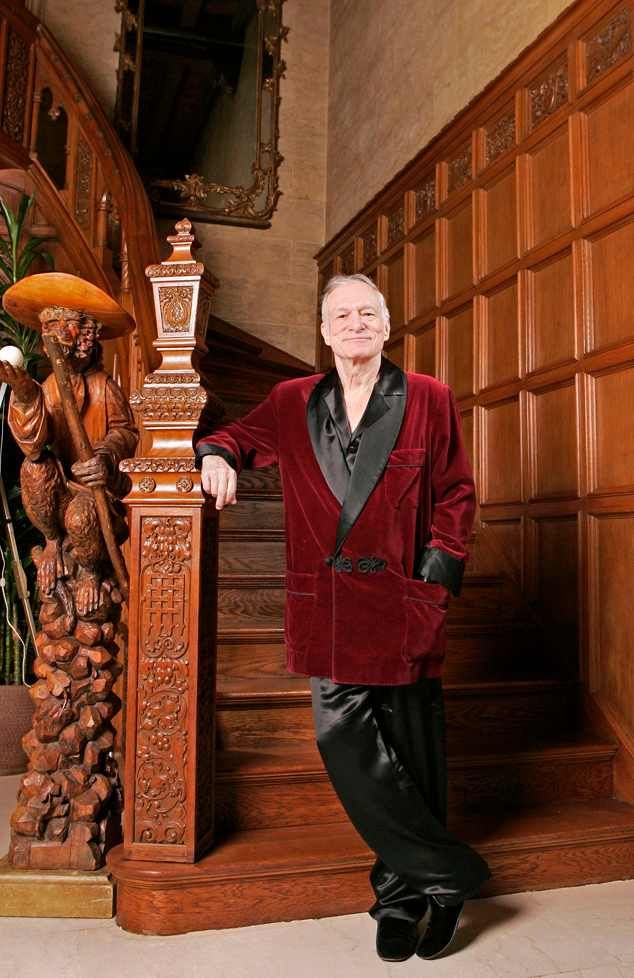
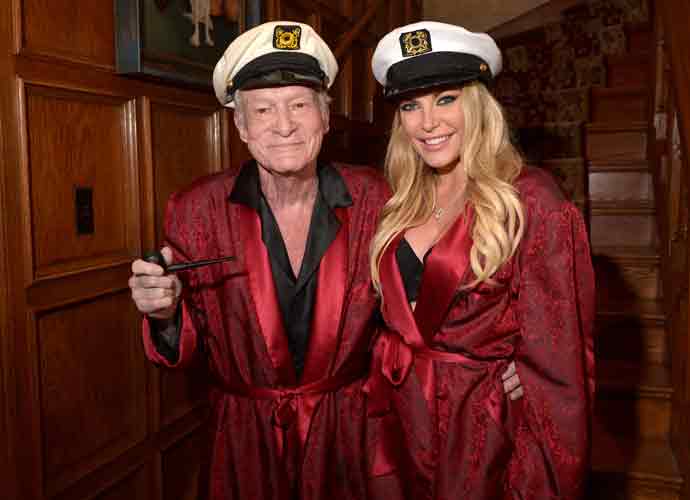
Playboy announced on September 27, 2017, that founder Hugh Hefner had died of natural causes at the Playboy Mansion. He was 91. The tributes were immediate and starry — Jenny McCarthy, Rob Lowe and Larry King among those sharing memories (per ET's tribute roundup) — and Playboy's own black-and-white portrait tweet became the day's canonical image. But the mourning ran alongside an argument that had shadowed Hefner for decades and never resolved: whether he was a sexual revolutionary or an exploiter, and the tributes came interleaved with a long-running feminist critique of the empire he built. This dossier keeps both readings visible without flattening either, because the 2017 record genuinely contains both — the mansion mythology of the Girls Next Door era and the counter-narrative, coexisting in the same timeline. Hefner's widow Crystal Harris and the Playboy brand machinery managed the farewell; the mansion itself, already sold, loomed as a symbol. In the archive, the story is a case study in the year's new grammar: 2017 was when a famous man's death could no longer be mourned without the legacy debate happening in the same breath.
- Why it went viral: An American icon died in his pajamas at the Mansion — and the tributes arrived pre-argued.
- Engagement signals: Platform: Twitter. #RIPHef trended; no single engagement figure — "not publicly reported" as a number.
- Sources: ET Online — Sep 27, 2017 (death) · Legacy.com (obituary) · ET Online — Sep 2017 (tributes) · Brit.co — Sep 2017
- Confidence: Confirmed