Taylor's *1989*: The Sales Blockbuster and the Spotify Exit

9. Taylor's 1989: The Sales Blockbuster and the Spotify Exit
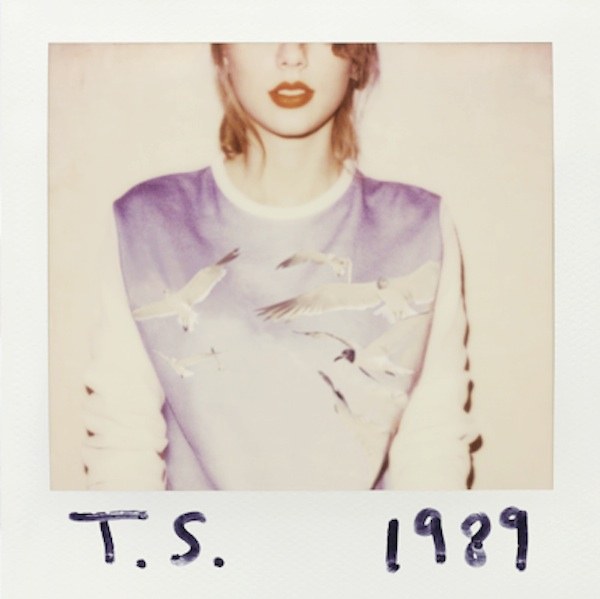
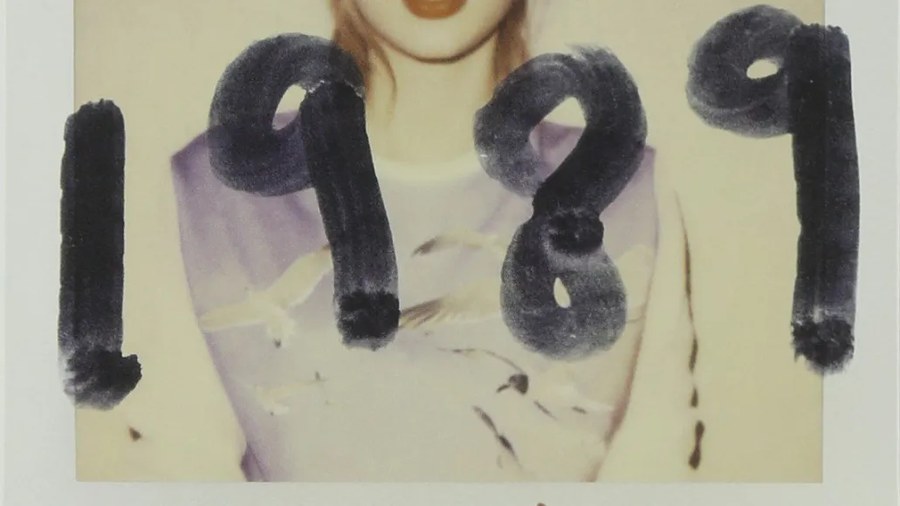
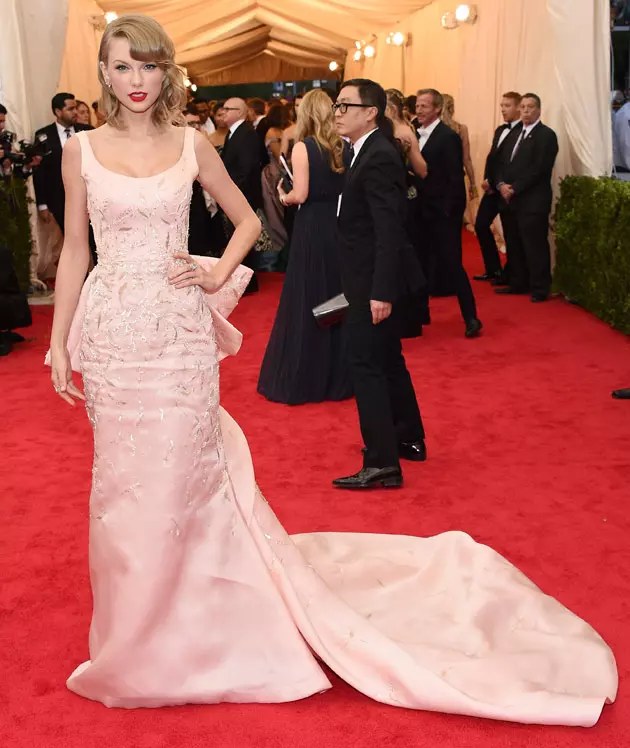
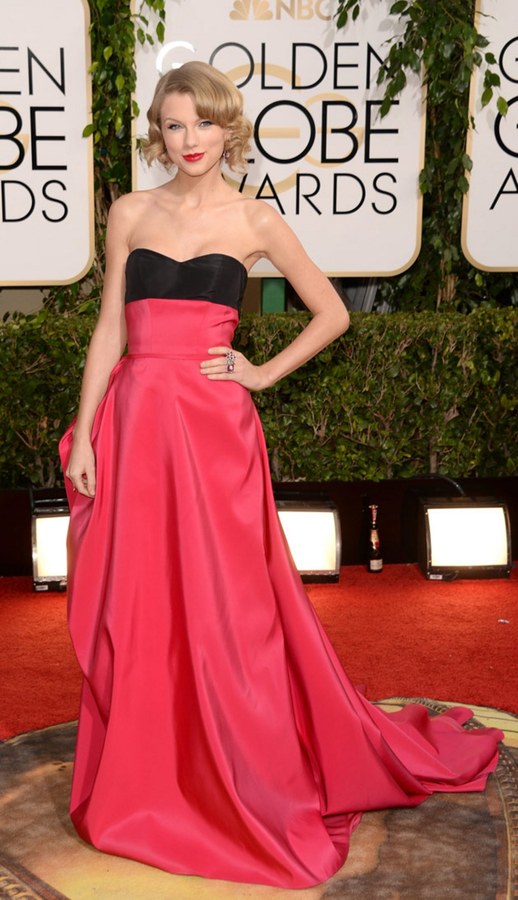
Image: assets/taylor_1989_2014.jpg (alt: "Taylor Swift in the 1989 era, 2014") Additional images: taylor_1989_2014_2.jpg, taylor_1989_2014_3.jpg, taylor_1989_2014_4.jpg, taylor_1989_2014_5.jpg Date line: Monday, October 27, 2014 (album) · Monday, November 3, 2014 (Spotify exit)
A rare double-header in one week. 1989 released October 27 and sold 1.287 million copies in its first week (Nielsen SoundScan, week ending Nov 2) — the biggest US album-sales week since 2002, ~600,000 on day one, roughly 22% of ALL US album sales that week. Swift became the first artist with three million-selling first weeks, and it was 2014's first platinum album — in a single week. Then on November 3 her entire catalog vanished from Spotify: her label's Scott Borchetta called streaming "this grand experiment," and Swift said, "I'm not willing to contribute my life's work to an experiment that I don't feel fairly compensates the writers, producers, artists, and creators of this music." Spotify's leverage data was public and brutal: nearly 16 million of its 40 million users had played Swift's music in the prior 30 days, and she appeared on over 19 million playlists. CEO Daniel Ek responded November 11 with a blog post full of song-title puns ("stay, stay, stay"). The 1989 era also marked Swift's full pop crossover — and her transformation from country star into the decade's defining celebrity-business strategist. The numbers kept compounding in coverage: ~600,000 copies on day one, roughly 22% of all US album sales that week, and 2014's first platinum album — achieved in seven days. Ek's response put Spotify's counter-case on the record, claiming Swift had been on track to earn $6 million from the platform that year — the opening bid in a compensation argument that would run for a decade. The episode's gossip afterlife is direct: it set the template for the 2016 dossier's #3 story, Kim Kardashian's Snapchat receipts vs. Swift — the streaming-war strategist becoming the feud's central combatant.
- Why it went viral: The decade's biggest sales story and the streaming war's opening shot in the same week — both quantified, both with named combatants.
- Engagement signals: 1.287M first-week copies (Nielsen via Billboard, observed Nov 5, 2014); 16M Spotify users / 19M playlists (Spotify via AFP, observed Nov 3, 2014).
- Sources: The Wrap — 1.287M first week · AFP — Spotify exit · NME — 1989 first-week sales · TechCrunch — Ek responds, $6M claim (Nov 11, 2014) · LATF USA — 1.287M debut
- Confidence: confirmed (sales figures, Spotify metrics, quotes)