Prince Harry's Las Vegas Photo Scandal
17. Prince Harry's Las Vegas Photo Scandal
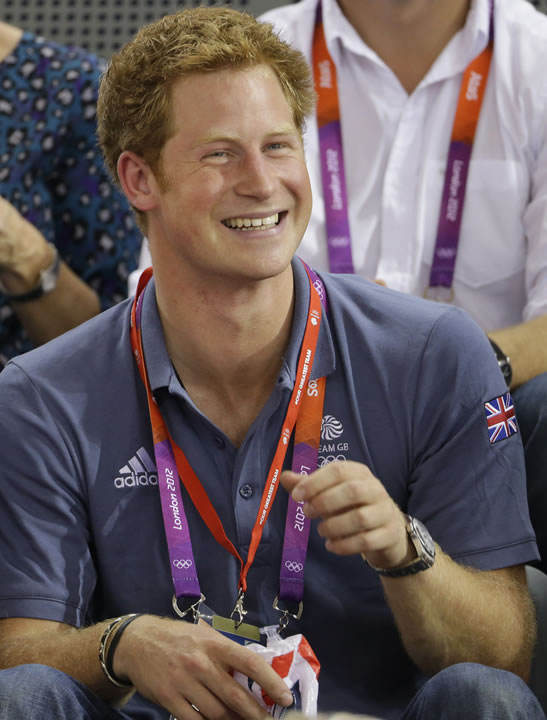
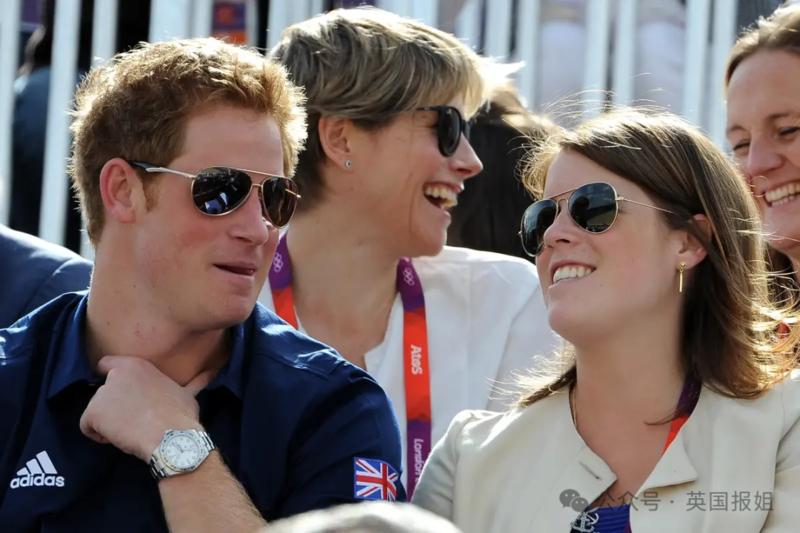
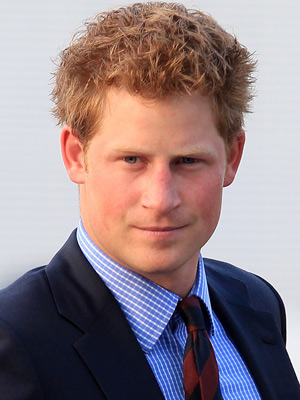
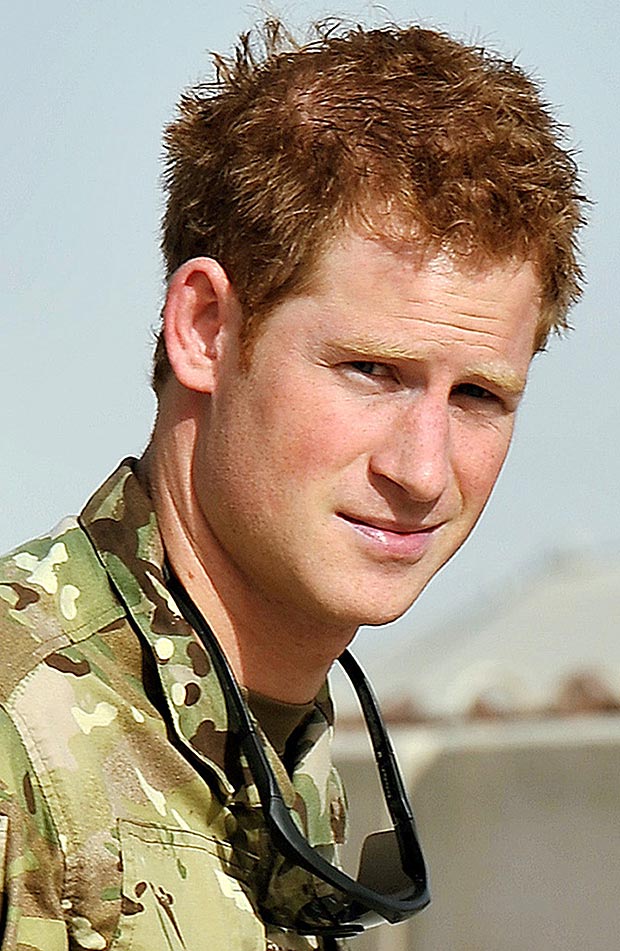
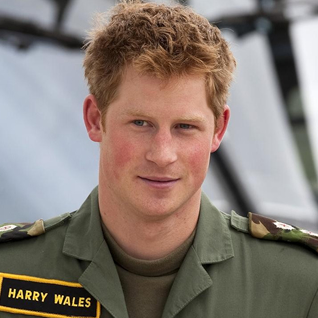
Image: assets/2012_prince_harry_vegas.jpg (alt: "Prince Harry at a 2012 public appearance — public-appearance photo only, never the Las Vegas images") Additional images: 2012_prince_harry_vegas_2.jpg, 2012_prince_harry_vegas_3.jpg, 2012_prince_harry_vegas_4.jpg, 2012_prince_harry_vegas_5.jpg Date line: Wednesday, August 22, 2012 · TMZ publication
The royal family's worst week of the social-media era began with a TMZ exclusive. On August 22, 2012, TMZ published photographs of Prince Harry unclothed in a Las Vegas hotel suite — images taken during a private party with friends. The palace confirmed the photos were genuine within hours; St James's Palace issued a statement and formally asked British news outlets not to republish them. The British press complied — for about 48 hours — in a display of the old deference model colliding with the new reality: the photos were already everywhere online, hosted on servers no palace request could reach. Channel 4's contemporaneous coverage captured the standoff; The Sun eventually published the photos anyway. The social layer was the story: the images spread through Twitter, Facebook and the gossip blogs while the palace's statement was still being drafted — the first major demonstration that a royal privacy request was unenforceable on the 2012 internet. Harry's public image survived, even improved, but the episode became the textbook case for the monarchy's social-media problem: in the timeline era, the palace could confirm or deny, but it could no longer contain. (Image note: this dossier uses clothed public-appearance photos only — never the TMZ Las Vegas images.)
- Why it went viral: Photographs of a prince that the palace couldn't suppress — the internet's first royal privacy war.
- Engagement signals: TMZ exclusive (Aug 22); palace confirmation + non-publication request; UK press standoff; aggregate share counts not publicly reported.
- Sources: Channel 4 — photos published online · WCBE — photo scandal coverage · CIOL — photos aired on website
- Confidence: reliably reported (publication, palace confirmation, press response)