The Last Legend: Elizabeth Taylor's Death



14. The Last Legend: Elizabeth Taylor's Death
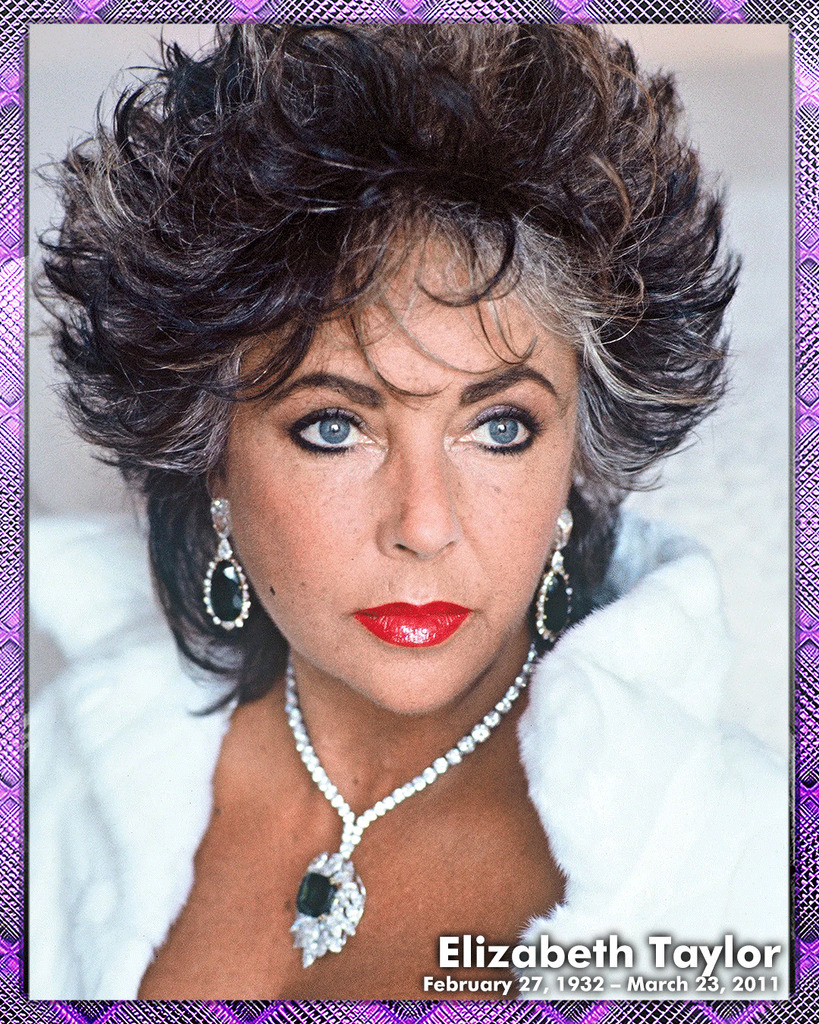
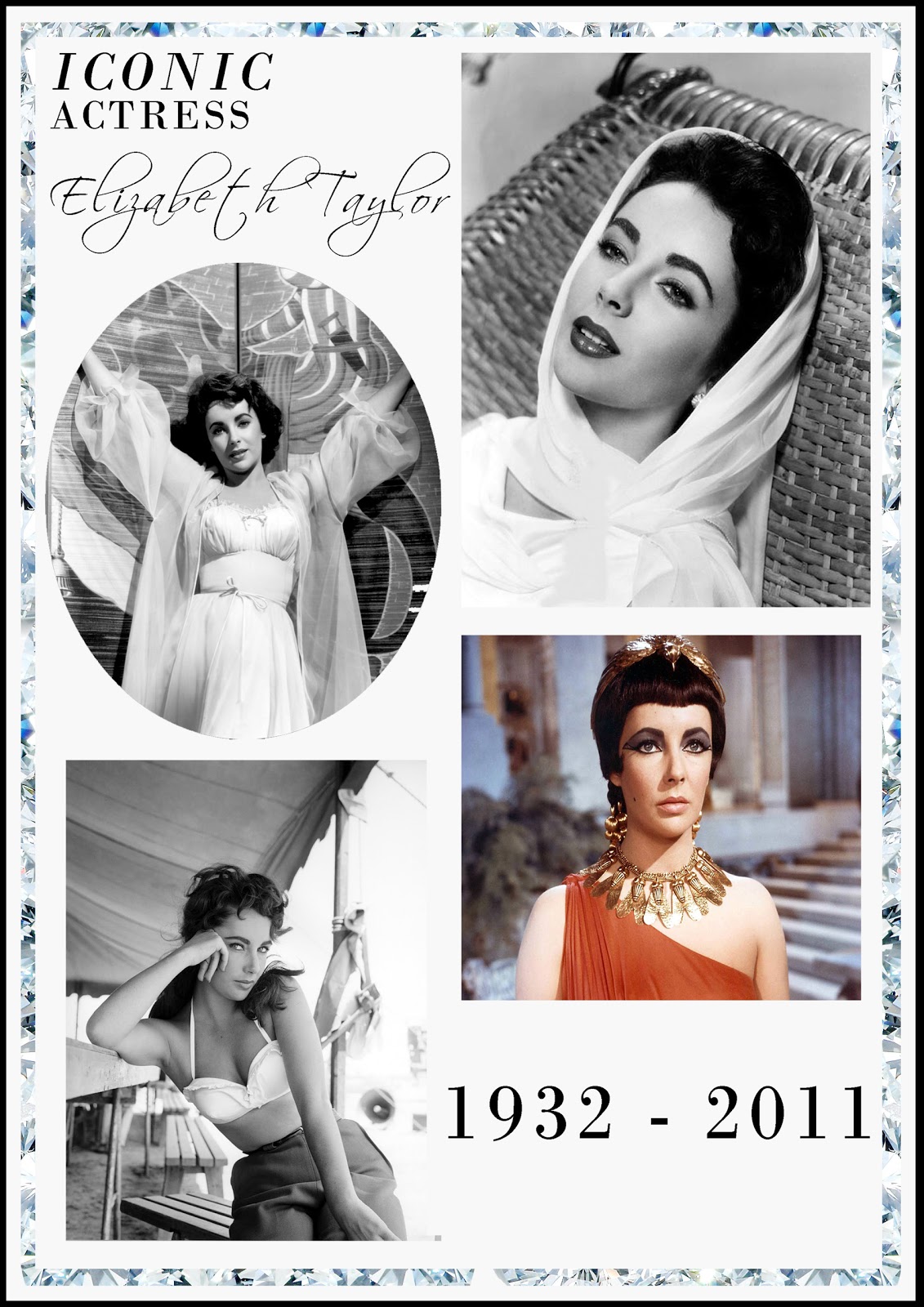
Image: assets/2011_elizabeth_taylor_2011.jpg (alt: "Elizabeth Taylor — 2011") Additional images: 2011_elizabeth_taylor_2011_2.jpg, 2011_elizabeth_taylor_2011_3.jpg, 2011_elizabeth_taylor_2011_4.jpg, 2011_elizabeth_taylor_2011_5.jpg Date line: Wednesday, March 23, 2011 · Los Angeles, aged 79
The first major "old Hollywood" death of the Twitter era — and proof the tribute-ritual template now applied to legends too. Elizabeth Taylor died Wednesday, March 23, 2011, at Cedars-Sinai Medical Center in Los Angeles, aged 79, of congestive heart failure, after weeks of hospitalization. Taylor was herself an early Twitter adopter: 341,000 followers, her final tweet posted February 9, 2011. The hashtag #ripelizabethtaylor trended all day; OK! documented the Kardashians leading the celebrity tribute wave; TheWrap and Parade rounded up Hollywood's reaction; a University of Chicago Press blog later analyzed the public mourning as a cultural event. The coverage treated her as both movie royalty and a proto-Twitter personality — the violet-eyed icon who had, improbably, been posting. The structural significance: the crowd-mourning template that would define the Winehouse story four months later applied here first to a studio-era legend — the death announcement as a social event, the hashtag as the flowers. Coverage repeatedly noted the irony that Taylor — the last great studio-system star — had adapted to the platform era more readily than many younger celebrities, posting about her charity work and her dogs. Her death also set the template for the hashtag-mourning ritual: the trending topic as a public square, the celebrity tribute tweet as the new floral arrangement.
- Why it went viral: Old Hollywood's greatest star dies in the Twitter era — and she was on Twitter herself.
- Engagement signals: #ripelizabethtaylor trended all day (contemporary reports); 341K followers at death; tribute wave documented across outlets. No invented counts.
- Sources: OK! — Twitter tributes · UChicago Press Blog — mourning analysis · TheWrap — Hollywood reacts · Parade — death reaction. Cross-link: #4 — Winehouse (the crowd-announced death template).
- Confidence: confirmed