Operation Hackerazzi: The Photo Hack

19. Operation Hackerazzi: The Photo Hack
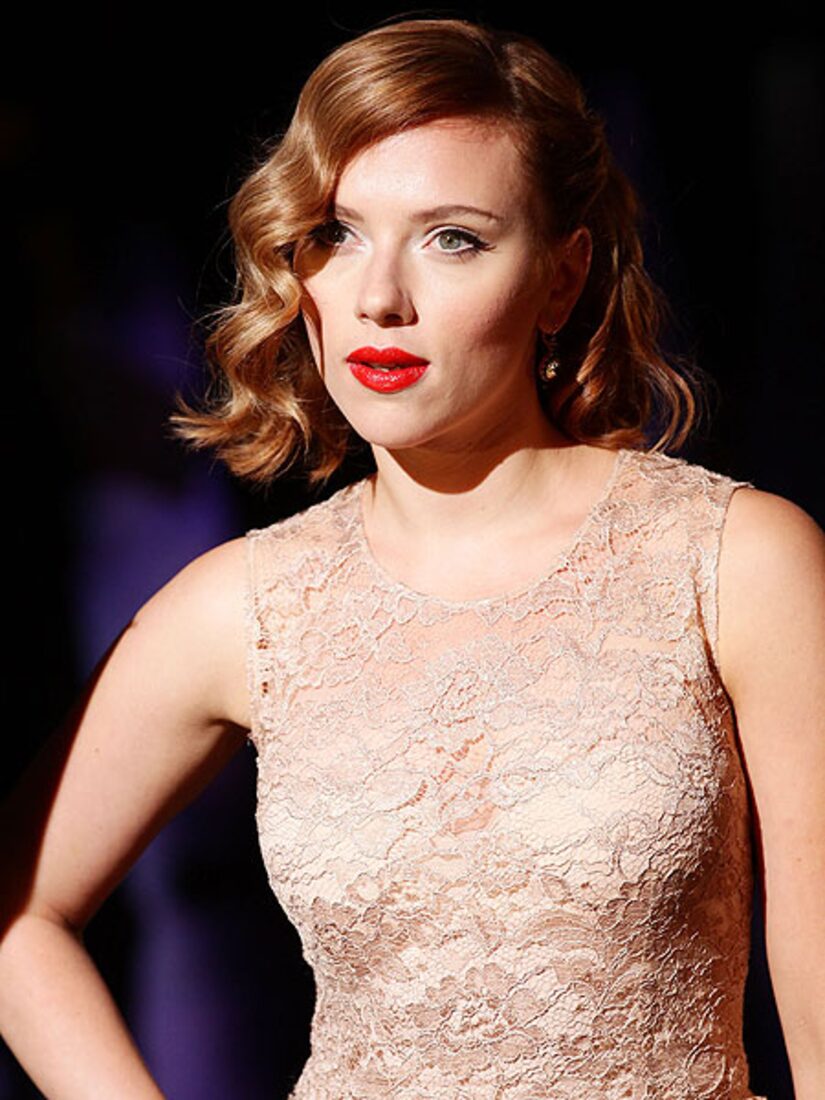
Image: assets/2011_scarlett_hackerazzi_2011.jpg (alt: "Scarlett Johansson — red carpet, 2011") Additional images: 2011_scarlett_hackerazzi_2011_2.jpg, 2011_scarlett_hackerazzi_2011_3.jpg, 2011_scarlett_hackerazzi_2011_4.jpg, 2011_scarlett_hackerazzi_2011_5.jpg Date line: September–October 2011 · FBI "Operation Hackerazzi"; arrest Wednesday, October 12, 2011
2011's defining celebrity-privacy crime — and the template for every hacking scandal after. In September 2011, private nude photos of Scarlett Johansson, taken by the actress herself, leaked online. The FBI's "Operation Hackerazzi" investigation moved fast: on Wednesday, October 12, 2011, agents arrested Christopher Chaney, 35, of Jacksonville, Florida — accused of hacking the email accounts of Johansson and some 50 other celebrities, reportedly including Mila Kunis and Christina Aguilera. Digital Trends covered the arrest; Phys.org carried the FBI's hacking reports; TheWrap covered the bureau's announcement. Do not describe or reproduce the stolen images — this story is framed strictly as a privacy crime. At the 2011 point the charges were allegations, not yet adjudicated — keep qualified. Johansson's team condemned the leak. The structural significance: the first proof that the cloud era's gossip would be built on stolen private material — the direct ancestor of the 2014 iCloud-leaks discourse, and the moment "hacker" entered the gossip vocabulary as a crime beat. The case also exposed how thin the era's digital security was: Chaney allegedly used simple password-reset tactics to breach celebrity email accounts, a method that would be repeated at far greater scale three years later. For gossip, the lesson was stark — the private archive was now the most valuable and most vulnerable asset a celebrity owned.
- Why it went viral: The first major celebrity-hacking case — private photos, an FBI codename, an arrest.
- Engagement signals: FBI arrest Oct 12, 2011; ~50 alleged victims; no published social metrics — not publicly reported.
- Sources: Digital Trends — FBI arrests alleged hacker · Phys.org — FBI hacking report · Phys.org — hacker in court · TheWrap — FBI announces arrest. Cross-link: #5 — Rebecca Black (the year's other story about a young woman targeted online).
- Confidence: reliably reported (arrest, investigation); charges were allegations at the 2011 point — keep qualified